Seeking Winter Garden painting specialists who understand Central Florida's quick weather changes? You'll receive environmental assessment, dew‑point and substrate moisture checks, and regulation-adherent systems with low-temperature, fast‑cure coatings. We carefully pressure wash to exact PSI, eliminate mildew, repair substrates, and select primers and film builds following manufacturer and FBC specifications. Interiors are finished with low-VOC, scrub‑resistant finishes; exteriors are protected with sun-resistant, moisture‑tolerant systems. Trust in licensed crews, strict OSHA compliance, detailed prep, and transparent timelines, estimates, and warranties-this approach illustrates how we safeguard your investment.
Essential Points
- Regional experts well-versed in Winter Garden climate conditions, strategically timing around cold spells, humid daybreaks, and rapid dew point shifts to avoid coating failure.
- Meticulous preparation consisting of precise washing, mildew and rust treatment, wood rot repair, detail sanding, protective back-priming, and moisture level verification.
- Building code-approved systems: low-temperature acrylics and elastomeric coatings meeting manufacturer specifications and Florida Building Code standards.
- Premium interior features including premium finishes offering low odor, scrub resistance, and mildew protection, plus precise trim enameling, clean jobsites, and adherence to HOA and VOC standards.
- Professional management: detailed estimates, detailed product information, qualified and insured personnel, OSHA-compliant setups, defined timeline planning, and complete warranty records.
Understanding Why Local Experience is Essential for Central Florida's Climate
Why is local expertise so crucial in Central Florida? You encounter quick shifts in temperature, powerful UV radiation, and frequent moisture cycles. Experienced professionals who know area regulations, surface conditions, and weather patterns secure your investment and reduce rework. They utilize environmental mapping to identify wind patterns, shaded areas, and moisture zones that cause premature coating breakdown. Based on this data, they select proper finishing systems, base coats, and application depths that align with product requirements and Florida Building Code requirements.
Precise humidity control is also essential. Professional contractors perform thorough moisture testing, including air and material moisture levels, verify proper dew point differential, and coordinate application timing within safe parameters. They adjust drying times, incorporate mildew-resistant components, and utilize breathable finishes on stone surfaces to prevent moisture-related blistering. Regional expertise ensures durable outcomes, thorough documentation, and consistent long-term costs.
Complete Interior Painting Services
Revitalize every room with interior painting services tailored for Central Florida regulations. You'll benefit from room-specific solutions that adhere to VOC limits, fire-rated assemblies, and HOA color guidelines. For kitchens, we apply wear-resistant, humidity-resistant finishes; bathrooms are treated with mildew-inhibiting coatings and protective sealing; bedrooms prioritize minimal-fume, subtle-finish comfort; living areas emphasize uniform sheen control and precise boundaries.
We commence with comprehensive surface analysis, repairs, and detailed masking to protect fixtures and floors. Our team perform sharp cut-ins, uniform coating depth, and documented dry times for predictable completion. Transform focal points with statement walls that harmonize with existing interior elements. Finish trim refinements by smoothing, sealing, and coating trim work and door surfaces for strong, protective coatings. You'll observe even coating, exact color matching, and compliant materials in all spaces.
Exterior Surface Prep and Weather-Protected Coatings
The first step is checking surface conditions, then perform thorough surface cleaning, plus rust and fungal remediation, hole filling, and joint sealing to meet code and manufacturer requirements. Then, you choose primers compatible with existing finishes and surface types to establish reliable adhesion and balanced moisture management. During Winter Garden's cooler weather, you select weather-resistant acrylics or elastomeric coatings suitable for cold-weather application and fast-acting moisture defense, following specific coating thickness guidelines and application timing.
Surface Care and Repair Services
Consistently thorough cleaning and strategic repairs create the foundation for strong, climate-resistant exterior finishes in Winter Garden's tropical, weather-challenged climate. Initially clearing organic growth, paint degradation, and airborne debris with precisely controlled pressure washing, modifying pressure levels to protect masonry, timber, and composite siding. Where paint systems break down, conduct systematic paint removal, using sanctioned removal techniques, with containment to prevent runoff into storm drains per local ordinances. After drying to specified moisture thresholds, probe for soft rot, delamination, and fastener corrosion. Replace compromised boards, reattach or improve mounting hardware, and fill checks with exterior‑grade epoxy or elastomeric sealants. Smooth surface variations, treat bare material edges, and treat staining and metal components. Document substrate conditions, remediation supplies, and cure times to verify adhesion readiness before finish application.
Cold-Weather Coating Selection
Although Central Florida seldom sees freezes, Winter Garden's chilly weather and morning moisture still require cold-weather coatings and precise application windows. You'll want to specify products formulated for low temperature film formation-generally 35-40°F-coupled with humidity-blocking coatings to prevent dampness and overnight precipitation. Opt for fast drying systems to reduce open time and avoid dew-set problems. On questionable days, treat with anti freeze primers engineered to maintain adhesion and prevent moisture intrusion when substrates are cold.
Examine manufacturer product documentation, detailing minimum surface and air temperatures, recoat times, and dew point spread (no less than 5°F). Use digital humidity gauges and infrared temperature sensors to confirm conditions before application. Schedule application from late morning through early afternoon, enabling surfaces to reach temperature and properly dry. Record conditions to maintain warranty and compliance requirements.
Color Consultation and Modern Design Trends
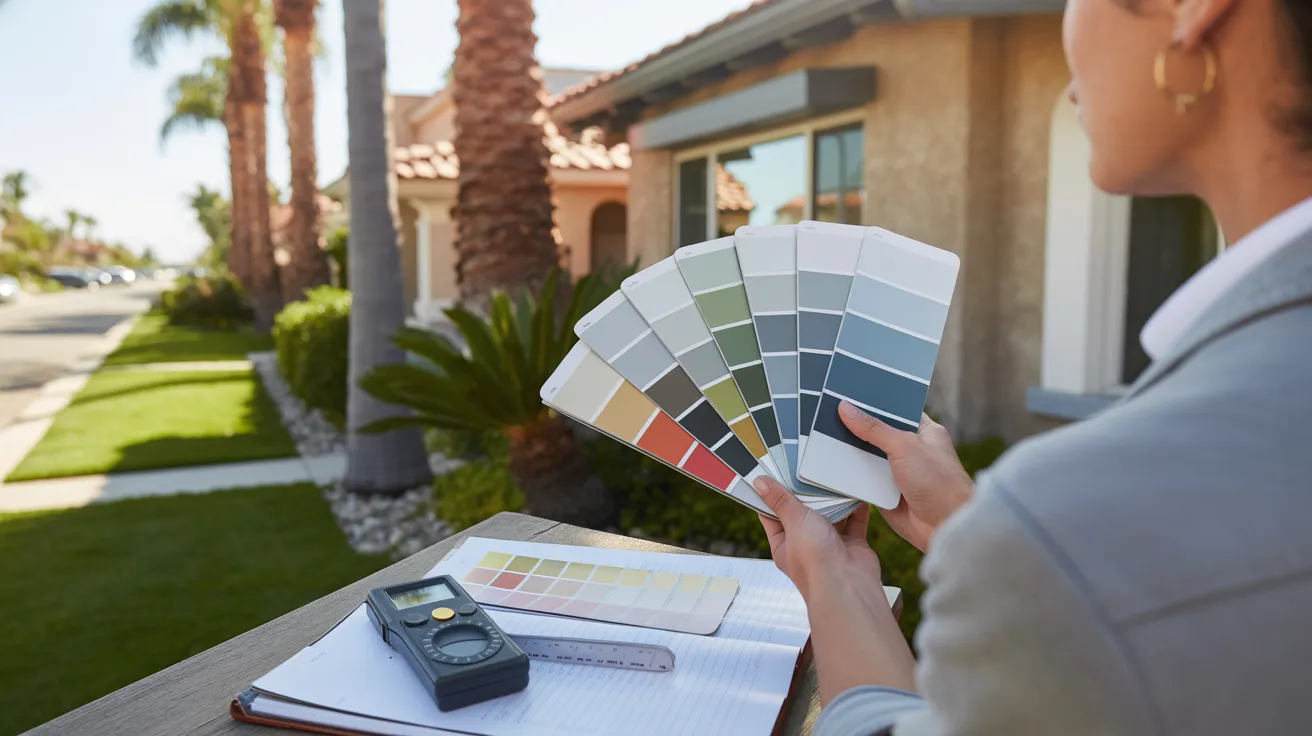
Although project parameters and substrate preparation lay the foundation, smart color consultation aligns your goals with current design trends, homeowners' association guidelines, and long-term maintenance considerations. You'll find harmony between visual appeal and regulations, incorporating luminosity factors, and local standards to prevent future adjustments or penalties. We assess seasonal color schemes to complement Winter Garden's sunlight intensity, landscaping, and building design, recommending cool neutral tones, sun-resistant midtones, and bold trim for architectural emphasis.
We'll determine finish schedules based on exposure: south and west elevations require UV-resistant pigments; shaded areas can incorporate more saturated tones maintaining color longevity. Implement accent techniques through doorways, shutters, and trim work to achieve dramatic effects while reducing repainting frequency and controlling costs. Current trending options include earthy tans, muted sage tones, maritime blues, and subtle metallic sheens that harmonize with clay tile and stucco.
Surface Preparation, Primers, and Specialty Finishes
Before beginning the painting process, you must address and repair cracks and holes with matching repair materials and following correct curing procedures to meet manufacturer specifications. Next, you will choose primers that are suitable for the material and setting, ensuring proper adhesion, stain resistance, and anti-corrosion properties as necessary. For performance or code-driven needs, you'll specify specific coating systems-including epoxies, intumescents, or elastomerics-based on exposure requirements, longevity requirements, and warranty provisions.
Surface Damage Repairs
The proper treatment of cracks and holes provides a solid base for an enduring, standard-compliant result. Initially determining the substrate type-masonry, stucco, plaster, or gypsum-and recording the size of defects, movement, and moisture concerns. For stable cracks, form a V-groove, clean out dust and apply compatible fillers following established repair methods. For flexible gaps, place an elastic filling compound with appropriate joint backing and suitable depth-to-width ratio.
When fixing drywall, begin by stabilizing detached paper facing, followed by applying drywall bonding primer to rehabilitate torn facing. Select either paper or fiberglass mesh tape according to structural flexibility and fire requirements. For bigger holes, put in place backing boards or preformed patches, before feathering drywall compound in controlled layers to reach specified depth. Sand progressively, verify surface uniformity with angled lighting, and verify that cure times comply with building regulations and product instructions.
Primers and Specialty Coatings
Pick coatings that prime with purpose to provide bonding, sealing, and protection based on performance requirements, substrate type, and exposure conditions. After addressing surface defects, establish proper surface profile, confirm moisture levels, and evaluate bonding. For concrete and stucco surfaces in high-moisture environments, specify moisture-resistant coating systems to control moisture transfer and mineral blooming, enhancing finish coat longevity. For ferrous metals, clean rust mechanically to SSPC standards, verify profile depth, then implement corrosion-resistant systems with proven thickness and corrosion resistance. On chalky exterior paints, use acrylic bonding primers; on woods with extractive bleeding, use specialized wood sealers. Where chemical exposure is expected like chemical storage and food prep areas, select 2K epoxies or polyaspartics. Record technical specifications, emissions data, and drying times to maintain compliance.
Timeline Management, Budget Planning, and Clear Cost Estimates
Although all residential and business location is unique, you will receive defined schedules, comprehensive pricing, and an itemized quote that outlines surface prep, materials, labor and contingencies. We deliver Timeline forecasts based on property inspection, substrate condition, accessibility, and drying periods for finishes and primers. You'll get start and completion dates, milestones, and critical path tasks so you can plan around operations.
Financial clarity drives choices. Your proposal clearly separates upfront and ongoing expenses, specifies product requirements by supplier and solution, and lists allowances for substrate repairs. We highlight potential change orders with limits, sign-off procedures, and price breakdowns, so scope shifts don't surprise you. We provide documentation formatted for procurement review, including financial documentation, liability coverage documentation, and financial timelines tied to milestones, quality checks, and final verifications.
Professional Crews, Safety Standards, and Immaculate Job Sites
Once project schedules and costs are established, it's essential to ensure that skilled workers will perform the job safely and maintain your property's orderliness. It's important to verify licensed crews who adhere to Florida contractor regulations and maintain current liability and workers' compensation coverage. Make it a point to obtain license numbers and certificates and validate these documents prior to starting the project.
Insist on documented safety standards: ladders and scaffolding that meet OSHA standards, respirator-fit practices for spray painting operations, lead safety protocols when handling pre-1978 coatings, and appropriate lockout/tagout procedures. Workers must carry out daily safety assessments, maintain proper signage, and ensure clear egress paths.
Maintaining a clean workspace is non-negotiable. Experts establish appropriate containment measures, safeguard landscaping and fixtures, maintain effective dust suppression, and stage materials in an orderly manner. They ensure complete site cleanup each day, identify waste appropriately, and handle solvents in accordance with EPA and local guidelines.
Essential Tips for Maintaining Your Paint's Longevity
Even with a perfect installation, your paint system needs regular care to achieve its rated service life. Perform quarterly inspections for evidence of chalking, blistering, or hairline cracks. Fix localized problems with periodic maintenance to avoid moisture infiltration. Rinse exterior surfaces annually with balanced detergent; clean thoroughly to remove salts and mildew spores. For interior spaces, maintain humidity: maintain RH between 40-55% to reduce condensation and joint movement. Keep up gutters, caulking, and flashing to stop water intrusion behind coatings. Prune vegetation to enable sufficient airflow and sun exposure. For high-traffic interior areas, use felt pads, bump guards, and consistent dusting to decrease abrasion. Log maintenance activities and product lots for warranty compliance. When recoating, comply with manufacturer DFT, recoat windows, and surface prep guidelines per PDCA/ASTM.
Popular Questions
Do You Offer Eco-Friendly, Low-VOC Paint Options for Sensitive Households?
Absolutely, we offer green and low-VOC solutions created for sensitive households. We utilize minimal-smell finishes, ultra-low or zero-VOC coating systems, featuring plant-based pigments. We meticulously review safety documentation and green certifications and comply with EPA and local AQMD requirements. We create comprehensive air circulation strategies, section off project spaces, and perform spot off-gassing checks. You'll receive comprehensive material data including batch VOC documentation before beginning to guarantee transparency and safety.
Can You Work Around HOA Rules and Get Required Approvals?
Rest assured. You won't lift a finger while we handle all the complex regulations. We manage the entire HOA approval process: documentation processing, color selections, and scope descriptions aligned to neighborhood compliance. We work closely with HOA administrators for timing arrangements, ensuring reviews and start dates match your schedule. We submit required forms, monitor feedback, and adjust specs to meet covenants. You receive regular status updates, stamped approvals, and a compliant start-no delays, no surprises.
How Are Landscaping, Furniture, and Fixtures Protected During the Painting Process
We diligently protect landscaping, furniture, and fixtures by setting up controlled work zones and strategically placing materials. We employ drop cloth placement on lawn areas and hard surfaces, elevate edges for drainage, and secure edges to control overspray. We conduct protective wrapping of plant trunks using breathable materials, shield shrubs with protective enclosures, and temporarily relocate potted plants. We remove or mask fixtures with protective sheeting and gentle adhesive, protect irrigation components, and protect outdoor furniture. We ensure proper ventilation, control overspray, and follow manufacturer and HOA requirements.
Can I See Digital Mockups or Sample Boards Before Making a Decision?
Absolutely - you receive physical samples and digital renderings before moving forward. Like seeing the road ahead, we deliver color renderings adapted to your lighting conditions and substrate. You'll examine sample materials, lustre choices, and finish assemblies to confirm compatibility with VOC and warranty requirements. We ensure precise monitor calibration, reference fan decks, and perform test applications at your location, recording choices for final confirmation. You review and approve changes, maintaining clear project scope, budget alignment, and predictable outcomes.
What Type of Warranties and Workmanship Guarantees Are Offered After Completion
We provide a formal Workmanship guarantee covering defects arising from surface prep, application, and curing. Protection terms generally extend 2-5 years for interiors and 1-3 years for exteriors, depending on proper maintenance and manufacturer guidelines. We fix peeling, blistering, or adhesion failures at no cost; exclusions cover substrate movement, moisture intrusion, and unauthorized alterations. You'll get documentation detailing claim procedures, response times, and product warranties, maintaining clear accountability and regulatory compliance.
In Summary
You've witnessed how industry knowledge, detailed planning, and certified staff safeguard your property and investment. You understand surface science, coatings selection, and weather timing. You're equipped with a clear estimate, a clean site plan, and maintenance steps to maximize coating longevity. Now the question lingers: will you secure your timeline before the season shifts? Pick your shades, confirm the work, and more info we'll start. Because the timeframe for ideal application-and perfect finish opens soon... and closes fast.